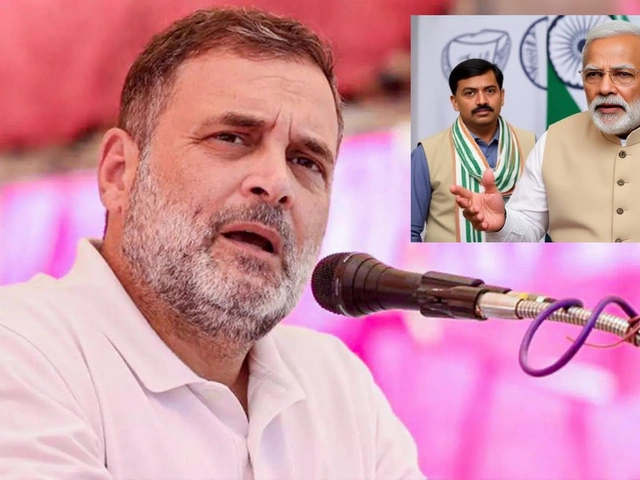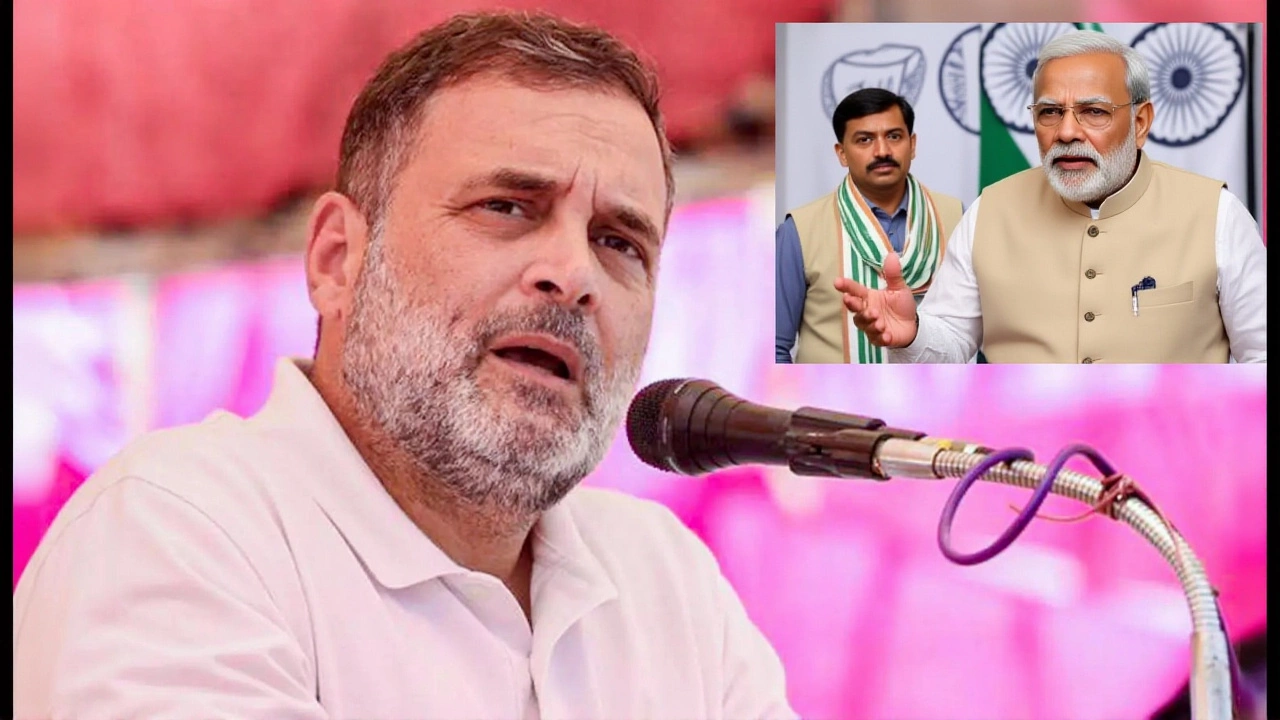
When Rahul Gandhi, a senior leader of the Indian National Congress, took to social media on Monday, May 25, he didn't mince words. He branded Prime Minister Narendra Modi "Mehangai Manav"—roughly translating to "Inflation Man"—accusing him of quietly draining citizens' pockets through staged fuel price hikes.
The controversy erupted in New Delhi after petrol and diesel prices were hiked for the fourth time in just ten days. It’s not just about the numbers; it’s about the timing. With elections recently concluded, the opposition argues the government is now collecting its political debt from ordinary households.
The 'Quiet Fleecing' Allegation
Here’s the thing: Gandhi’s criticism wasn’t a sudden outburst. In a post on X (formerly Twitter), he wrote, "Inflation man Modi strikes again. They raise petrol diesel prices in installments so that your pockets keep getting quietly fleeced." The phrasing suggests a deliberate strategy by the government to make each individual hike feel manageable while the cumulative effect becomes devastating.
Gandhi claimed he had been warning about an "economic storm" for months, alleging that Prime Minister Modi was too busy with election campaigns to address these underlying economic pressures. "The moment elections ended, petrol diesel was hiked by 8 rupees," Gandhi stated, linking the policy shift directly to the electoral calendar. He warned that this trend wouldn't stop, predicting further increases ahead.
Congress President Joins the Critique
But wait, Gandhi isn’t alone in this attack. Mallikarjun Kharge, the President of the Indian National Congress, amplified the criticism with his own sharp rhetoric. Calling the repeated hikes a "daily assault of fuel loot," Kharge argued that the government was engaging in a systematic expropriation of public savings.
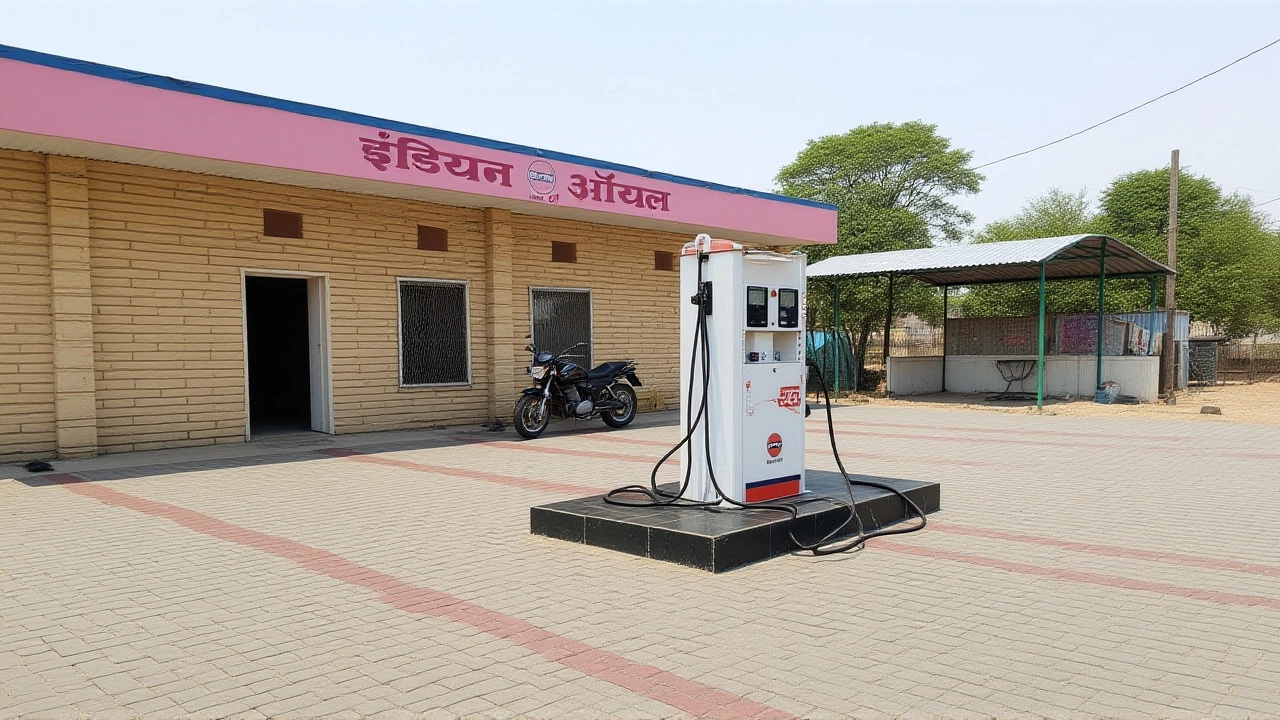
Kharge provided specific figures to back up his claims. He noted that over the last ten days, petrol prices rose by ₹7.35 per liter and diesel by ₹7.53 per liter. That’s a significant jump in such a short window. To put it in perspective, imagine paying nearly eight rupees more for every liter of fuel you buy. For daily commuters and small business owners relying on diesel generators or transport, that’s a direct hit to their monthly budget.
"The Modi government has sprinkled petrol to burn the savings of common people," Kharge wrote, using a vivid metaphor to describe the erosion of household finances. He also drew a historical comparison, stating that between 2004 and 2014, during the UPA government’s tenure, international crude oil prices rose significantly, yet the current administration’s handling of domestic pricing is what’s drawing fire.
The Economic Context and Historical Claims
Turns out, the debate isn’t just about today’s pump prices. Kharge alleged that the government has "looted" ₹43 lakh crore over the past 12 years, amounting to roughly ₹1,000 per day per citizen in his calculation. While economists might debate the methodology behind such a broad claim, the sentiment reflects growing frustration among voters who feel the benefits of economic growth haven’t trickled down to their wallets.
The opposition contrasts this with the previous decade under Prime Minister Manmohan Singh, suggesting that despite global crude price volatility then, the current approach feels more punitive. The core argument is simple: why should consumers bear the brunt of volatile global markets when taxes on fuel remain high?
Broader Political Fallout
This isn’t an isolated incident. Other leaders, including Arvind Kejriwal, have also weighed in via social media, indicating a coordinated push by opposition parties to frame the upcoming political narrative around cost of living. The label "Mehangai Manav" is designed to stick, personalizing the abstract concept of inflation into a direct accusation against the Prime Minister.
For the average Indian, the impact is immediate. Higher fuel costs ripple through the entire economy, increasing the price of vegetables, transport services, and manufactured goods. If the opposition’s prediction holds true and hikes continue, we could see inflation tick upward in the coming quarters, squeezing middle-class budgets even further.
What's Next?
Watch for the government’s response. Will they lower excise duties to appease voters, or double down on fiscal consolidation? The next few weeks will be critical. With no major elections immediately on the horizon, the pressure on the ruling party to demonstrate economic stability will only intensify. Keep an eye on retail inflation data released by the RBI in June—it’ll tell us if the "quiet fleecing" is actually hurting the broader economy.
Frequently Asked Questions
Why is Rahul Gandhi calling Modi 'Mehangai Manav'?
Gandhi uses the term "Mehangai Manav" (Inflation Man) to accuse Prime Minister Modi of prioritizing policies that increase the cost of living, specifically citing the recent series of fuel price hikes that occurred shortly after elections concluded.
How much have fuel prices increased recently?
According to Congress President Mallikarjun Kharge, petrol prices rose by ₹7.35 per liter and diesel by ₹7.53 per liter over a period of ten days, marking the fourth consecutive hike in that timeframe.
Who else is criticizing the government over fuel prices?
Besides Rahul Gandhi, Congress President Mallikarjun Kharge has led the charge, labeling the hikes as a "daily assault." Additionally, Delhi CM Arvind Kejriwal has posted content on X regarding the issue, signaling broader opposition unity.
What is the historical context cited by the opposition?
Opposition leaders compare the current situation to the 2004-2014 UPA era, arguing that despite rising global crude prices then, the current government's tax structure and pricing decisions are disproportionately burdening citizens compared to past administrations.