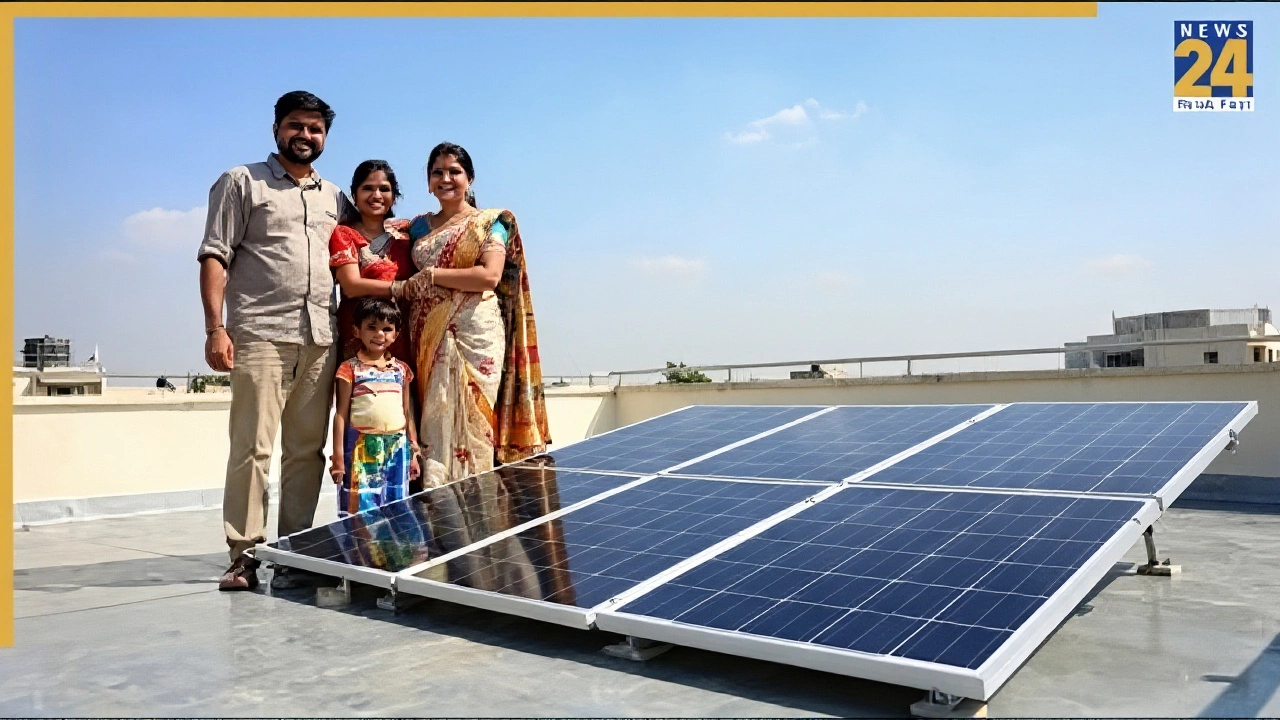
When Narendra Modi, Prime Minister of India, launched the PM Surya Ghar: Muft Bijli Yojana in January 2024, he didn't just promise cheaper electricity—he promised a shift in how millions of Indian households power their lives. The scheme offers direct cash subsidies for installing rooftop solar panels, aiming to make every home energy-independent.
Here's the thing: this isn't just about saving money on bills. It's about cutting carbon emissions and reducing grid strain across a nation of 1.4 billion people. With rising electricity costs and erratic supply in some regions, the government is handing homeowners a financial incentive to go green. Turns out, you could get up to ₹78,000 back in your bank account just for putting panels on your roof.
The Subsidy Breakdown: What You Actually Get
The math behind the subsidy is straightforward, but it’s designed to favor smaller systems that cover typical household needs. The Ministry of New and Renewable Energy (MNRE) has structured the support so that the first two kilowatts of capacity are heavily subsidized.
- 1 kW System: You receive ₹30,000. This covers homes with monthly consumption up to 150 units.
- 2 kW System: The subsidy jumps to ₹60,000. Ideal for households using up to 300 units per month.
- 3 kW or More: For larger setups, the maximum subsidy caps at ₹78,000. This includes an additional ₹18,000 for the third kilowatt.
If your system exceeds 3 kW, you don't get extra central subsidy, but many states offer top-up incentives. Oddly enough, the biggest savings come from the initial investment drop—solar panel prices have plummeted globally, making the combination of low hardware costs and high subsidies incredibly attractive right now.
How the Process Works (Without the Red Tape)
Gone are the days of running between government offices for approvals. The entire process is digitized through the National Portal for Rooftop Solar at pmsuryaghar.gov.in. Here’s how it flows:
- Register: Create an account on the portal using your mobile number and Aadhaar.
- Apply: Upload your latest electricity bill and proof of ownership for the roof.
- Select Vendor: Choose from a list of approved vendors who will handle the survey, design, and installation.
- Install & Verify: Once installed, your local DISCOM verifies the setup and installs a net meter.
- Get Paid: The subsidy amount is transferred directly to your bank account via Direct Benefit Transfer (DBT).
The twist is that if your sanctioned load is under 10 kW, you no longer need separate offline applications for load enhancement. The system treats online payment of fees as "deemed acceptance," speeding up what used to be a 3-4 month wait into mere weeks.
Impact on the Ground: Real Numbers
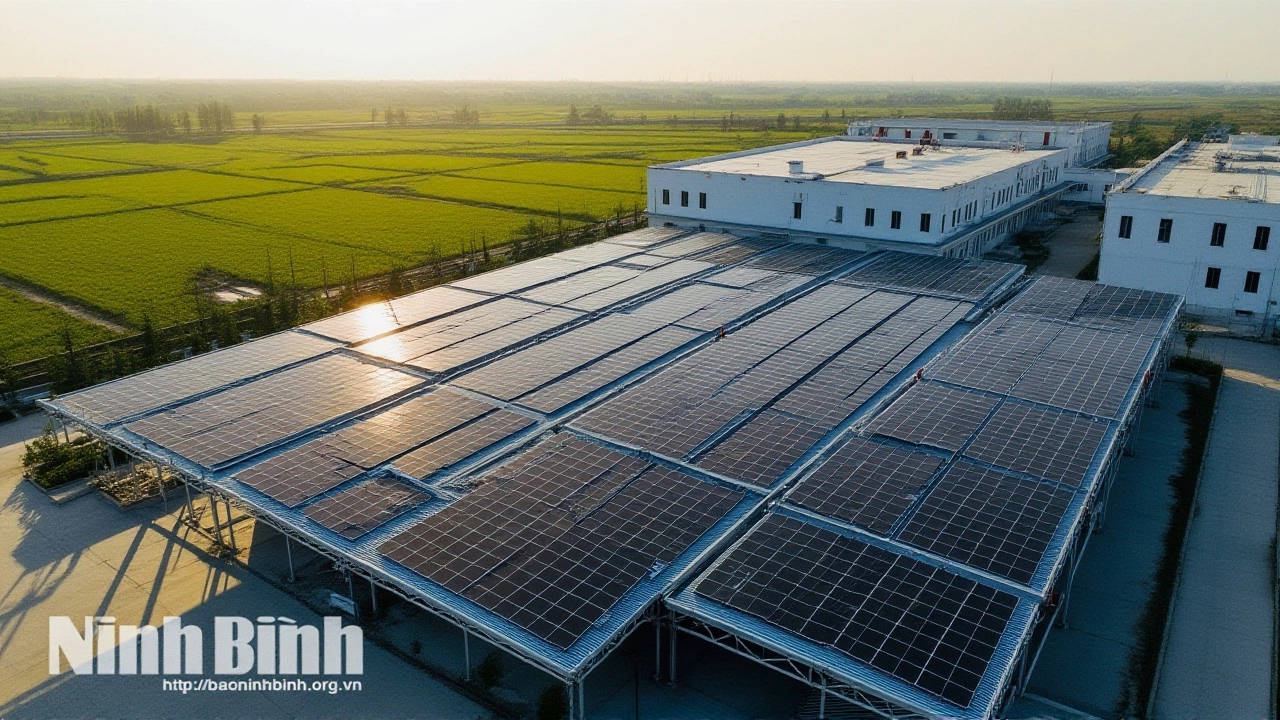
Is it actually working? The data says yes. By March 2025, over 1 million rooftop solar installations had been completed under the scheme. In Madhya Pradesh alone, reports from Dhar district show that ₹199.78 crore in subsidies reached 25,631 beneficiaries. That’s real money hitting real accounts.
The broader impact is staggering. The government estimates the scheme will add 30 gigawatts (GW) of new solar capacity to the national grid. Annual savings for consumers could exceed ₹75,000 crore. Plus, each household can generate up to 300 units of free electricity per month. If you produce more than you use, you sell the surplus back to the grid, creating a small income stream.
Eligibility and Loans: Who Can Apply?
To qualify, you must be an Indian resident with ownership of the building and its roof. You cannot already have a solar system installed. Required documents include your Aadhaar card, recent electricity bill, active bank account details, and property proof.
Still worried about the upfront cost? Banks like Indian Bank have introduced special loan products for the scheme. You can borrow up to ₹2 lakh specifically for rooftop solar installation. Combine this with the subsidy, and the out-of-pocket expense becomes manageable for middle-class families.
What’s Next for Solar in India?
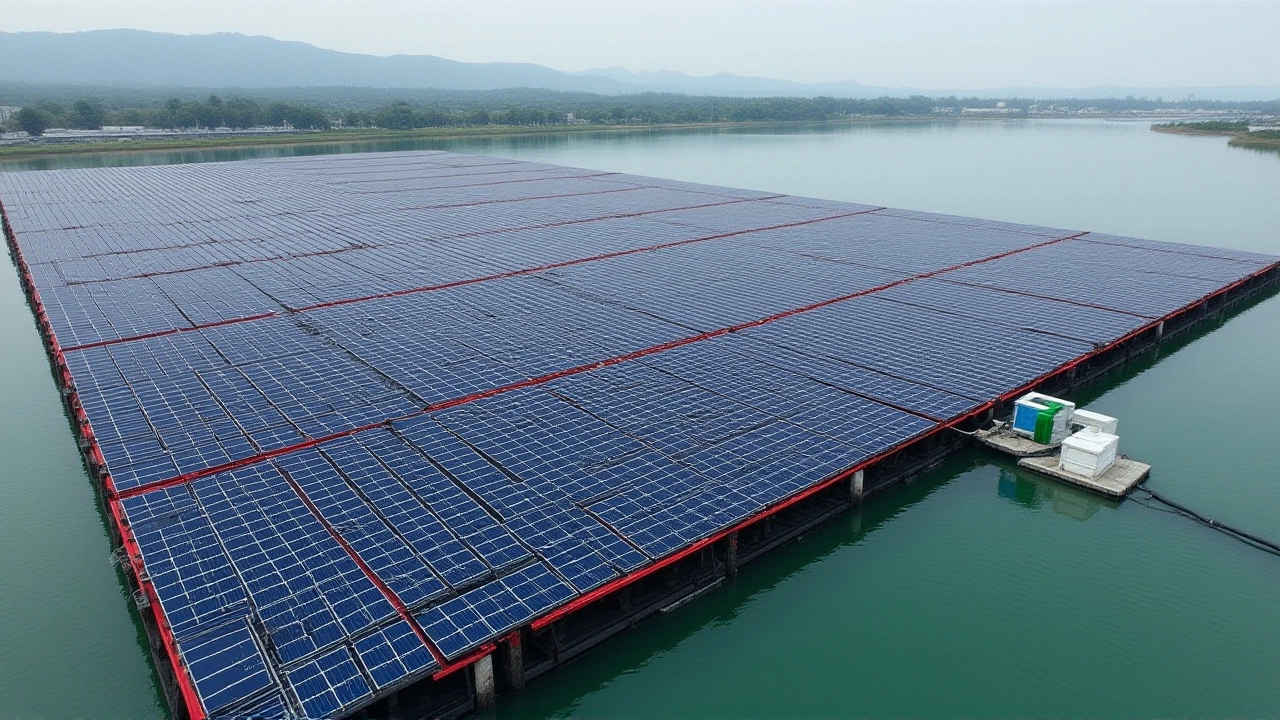
The government aims to reach 10 million homes by March 2027. To hit that target, they’re pushing state governments to offer additional incentives. States like Uttar Pradesh and Odisha are already layering their own subsidies on top of the central scheme. As battery storage technology becomes cheaper, expect hybrid systems (solar + battery) to become the next big focus, allowing users to store excess power for nighttime use.
Frequently Asked Questions
How much subsidy do I get for a 3kW solar system?
For a 3 kW system or larger, the central government provides a maximum subsidy of ₹78,000. This breaks down to ₹30,000 for the first kW, ₹30,000 for the second kW, and ₹18,000 for the third kW. Any capacity above 3 kW does not attract further central subsidy, though some states may offer additional incentives.
Can I sell my excess electricity back to the grid?
Yes. Under the net-metering policy associated with the PM Surya Ghar scheme, any electricity generated by your rooftop solar system that exceeds your consumption is fed back into the grid. Your DISCOM credits your account for this surplus, effectively giving you free electricity or even generating revenue depending on your tariff structure.
Is the application process entirely online?
Yes, the core application and approval process is digital via the pmsuryaghar.gov.in portal. You register, upload documents, select a vendor, and track status online. While physical installation and DISCOM verification require on-site visits, you no longer need to visit government offices for paperwork if your sanctioned load is under 10 kW.
Who is eligible for the PM Surya Ghar Yojana?
Any Indian resident who owns a house and has a suitable roof for solar panel installation is eligible. You must not have an existing solar system. Key requirements include valid ownership proof, an active bank account for DBT transfer, and a recent electricity bill to determine your consumption category.
Are there loans available for solar installation?
Yes, several banks including Indian Bank offer specialized loans for rooftop solar under this scheme. You can borrow up to ₹2 lakh to cover installation costs. These loans often come with favorable interest rates, making it easier to manage the initial investment while receiving the government subsidy later.